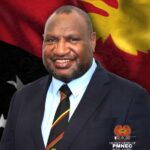
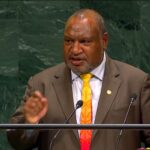
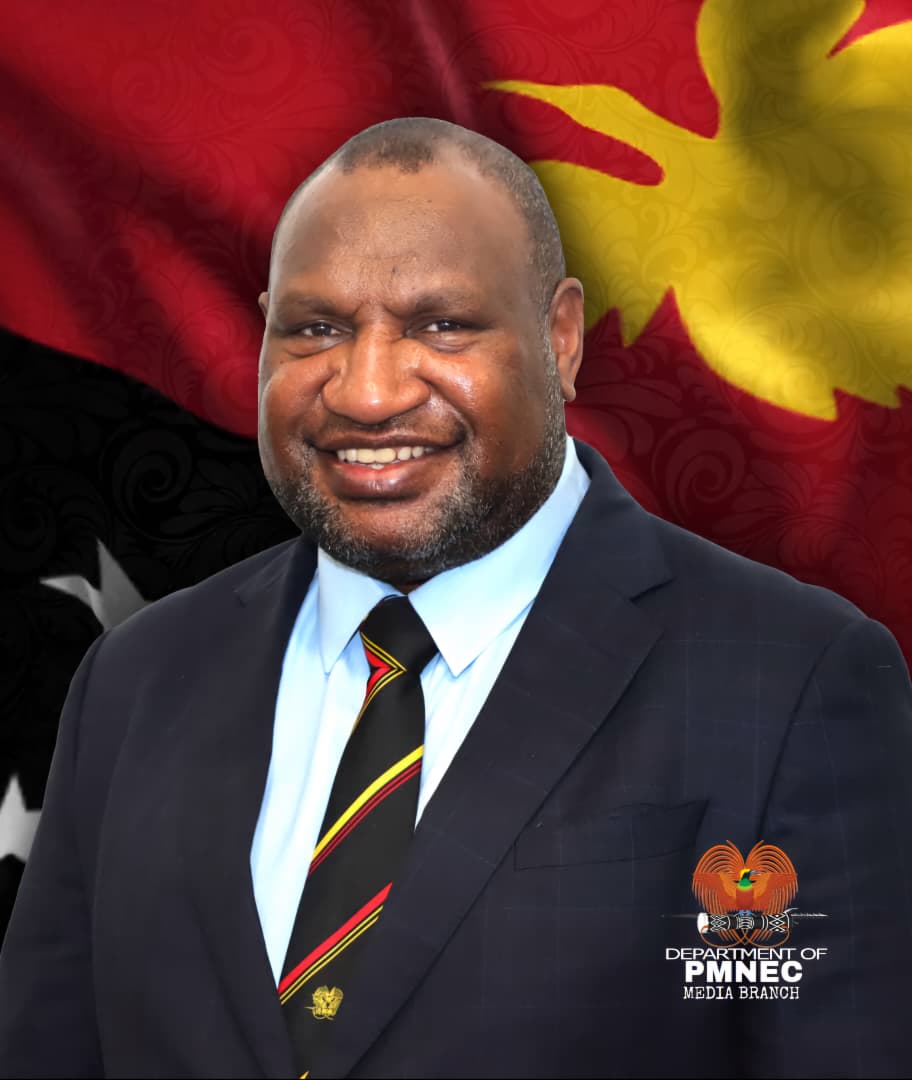

Prime Minister Hon. James Marape has thanked the Government of France, the French Development Agency (AFD), and the European Union for supporting the proposed redevelopment of Rabaul Port in East New Britain Province, describing the project as one of Papua New Guinea’s most strategically- important economic infrastructure investments.
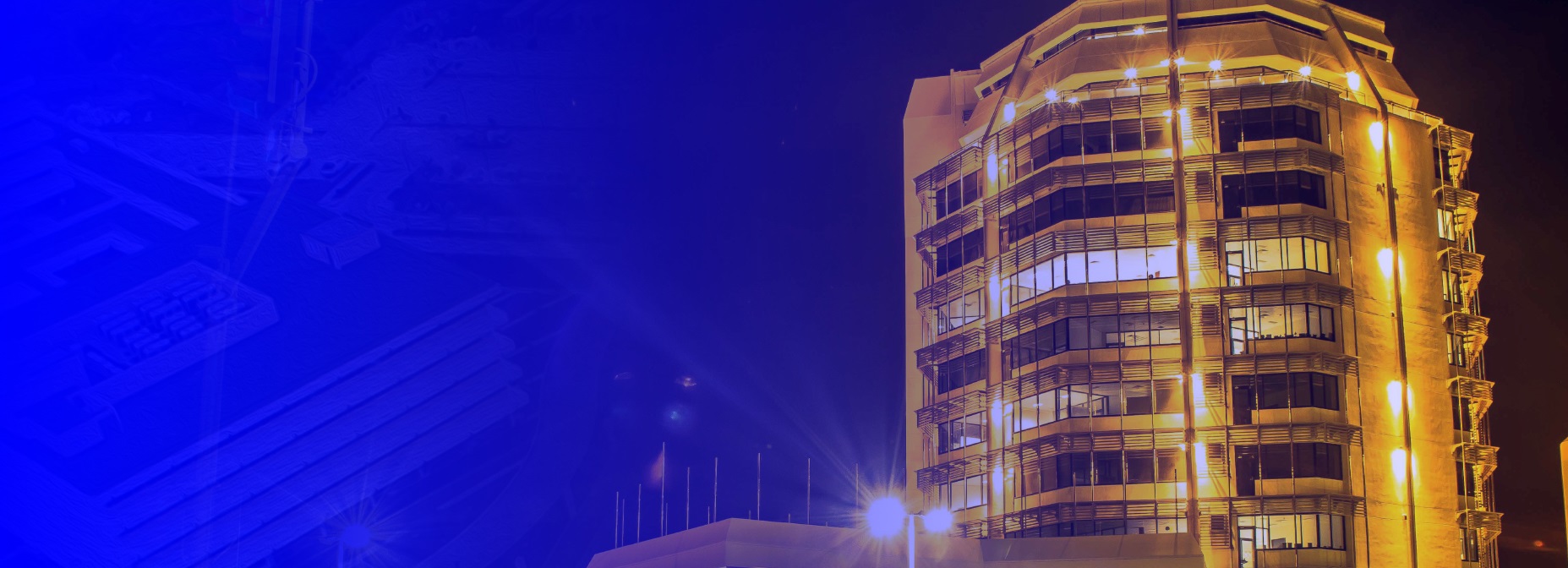
Prime Minister Marape said the proposed redevelopment, valued at around K400 million, would transform Rabaul Port into a modern regional maritime and logistics hub capable of supporting Papua New Guinea’s growing fisheries, agriculture, forestry, and export industries, while also positioning the country as a strategic gateway into the Pacific region.
The Prime Minister said Rabaul Port was already one of the country’s busiest and most-important ports, servicing large volumes of coastal shipping, tuna and fisheries operations, agricultural exports, forestry exports, and regional cargo movement every year.
“Rabaul Port is not just an East New Britain asset. It is a strategic national economic port with enormous regional potential,” Prime Minister Marape said.
“It serves fisheries, agriculture, forestry, coastal shipping, and export industries, and because of its natural deep-water harbour, it has the potential to become a major logistics and transhipment hub not only for Papua New Guinea but for the wider Pacific region as well.
“I want to sincerely thank the Government of France, AFD, and our European Union partners for helping mobilise financing support of around K400 million to redevelop this important port into a modern facility for the future.”
Prime Minister Marape said the project demonstrated the practical value of strong government-to- government relations and highlighted why official overseas visits by national leaders were critical for securing investment, trade, and development partnerships for Papua New Guinea.
“People must understand that when the Prime Minister travels overseas, we are not travelling for leisure or holidays. We are travelling for business on behalf of our country,” he said.
“At the deepest level of government-to-government bilateral relations is the promotion of trade, investment, and economic cooperation for the benefit of our people.
“If we did not maintain regular engagement and direct contact with partner nations such as France, projects like this redevelopment of Rabaul Port would not become possible.
“These are relationships built at government level, and below those relationships, business and investment opportunities flourish.”
Prime Minister Marape said Papua New Guinea’s engagement with international partners — including France, China, the United States, Japan, South Korea, Australia, New Zealand, Indonesia, and others — was always centred on advancing Papua New Guinea’s national interests through trade, infrastructure, investment, and economic cooperation.
“Government-to-government relations lay the platform for our national interests, especially in the business and economic space,” he said.
“Since becoming Prime Minister, I have consistently maintained that Papua New Guinea should not depend on handouts or free aid. We are pursuing meaningful economic partnerships, trade opportunities, infrastructure development, and investment that will grow our economy and create opportunities for our people.”
Prime Minister Marape said many overseas engagements involved extremely short turnaround schedules focused entirely on official business.
“Most of my overseas travel involves one or two days of meetings and immediate turnaround travel,” he said.
“The hardest part is often the many long hours spent in transit and on flights, but we do this work because it is necessary for Papua New Guinea’s future.
“Our responsibility as leaders is to open doors for investment, strengthen partnerships, promote trade, and ensure Papua New Guinea remains connected to the world economy.”
Prime Minister Marape said the Rabaul Port redevelopment would become a major catalyst for economic growth in East New Britain and the wider New Guinea Islands region while strengthening Papua New Guinea’s long-term maritime and export capacity.