

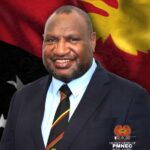

Prime Minister Hon. James Marape has announced a series of reforms aimed at strengthening Papua New Guinea’s correctional services system, with a renewed focus on rehabilitation, education, skills training and second chances for inmates as part of the Government’s 50th Year of Reset agenda.
Speaking after attending a Sabbath worship service with Correctional Service officers and inmates at Beon Correctional Service Institution in Madang on Saturday, Prime Minister Marape said correctional institutions should become centres of transformation that prepare inmates to return to society as productive and law- abiding citizens.
The Prime Minister joined Correctional Service officers and inmates who observe the Sabbath before sharing a meal prepared by inmates.
He commended the officers and inmates for the spirit of worship, discipline and rehabilitation demonstrated during the visit.
“Our correctional institutions should not simply be places where people serve time,” Prime Minister Marape said.
“They must become places where lives are transformed, where people are rehabilitated, equipped with skills, restored with dignity and given a genuine second chance to contribute positively to our nation.”
REVIEW OF PAROLE POLICY
Prime Minister Marape said the Government would review the country’s parole policy, particularly for inmates who have demonstrated genuine rehabilitation and served substantial portions of their sentences.
He said special consideration would also be given to mothers imprisoned in circumstances arising from domestic violence and family-related disputes, including situations linked to polygamy where women acted to protect themselves or their families.
“We will carefully examine our parole system to see whether those who have genuinely rehabilitated themselves and served appropriate time behind bars can be reintegrated into society under proper supervision,” he said.
“Where there are exceptional humanitarian circumstances, particularly involving mothers and families, we will review these matters within the framework of the law.”
EDUCATION AND SKILLS TRAINING
Prime Minister Marape said modern correctional facilities should also function as education and vocational training centres.
He announced plans to expand Flexible Open and Distance Education (FODE) opportunities throughout the country’s correctional institutions while strengthening technical and vocational education programs.
“Inmates should not waste their time behind bars,” he said.
“They should leave prison with practical skills such as cooking, sewing, animal husbandry, agriculture, carpentry, welding and mechanics, so they can earn an honest living and become useful members of their communities.”
The Prime Minister said rehabilitation through education would reduce reoffending while helping former inmates secure employment or establish small businesses after their release.
SUPPORT FOR JUVENILES AND VULNERABLE YOUTH
Prime Minister Marape also announced plans to strengthen juvenile rehabilitation facilities by partnering Correctional Service institutions with dedicated centres for young offenders and vulnerable children.
He said Government would work closely with churches and community organisations to establish programs for fatherless children, homeless youth, children facing difficult family circumstances and young people at risk of criminal behaviour.
“Many of our correctional institutions have sufficient land to develop facilities that can support juvenile rehabilitation and youth development,” he said.
“We want to intervene early, working alongside churches and communities, so vulnerable young people receive guidance, education and support before they enter the criminal justice system.”
RECRUITMENT OF SPECIALIST STAFF
Prime Minister Marape said the Government would also review recruitment policies to allow more teachers and healthcare professionals to serve as Correctional Service officers.
He said specialist officers would strengthen education, healthcare and rehabilitation services within correctional institutions.
“We need teachers to educate inmates and health workers to care for their wellbeing while serving as members of the Correctional Service,” he said.
“These institutions must become centres of rehabilitation rather than simply detention.”
Prime Minister Marape said the proposed reforms formed part of the Government’s broader vision to reset public institutions during Papua New Guinea’s 50th anniversary year and build a stronger, safer and more compassionate nation as it prepares to enter its next 50 years.
“Our objective is simple,” he said.
“When people leave our correctional institutions, they should return to society as useful citizens, equipped with skills, discipline and hope for a better future.”