
Prime Minister Hon. James Marape says improved road connectivity, tourism investment and major resource projects are positioning Kikori for a new era of economic growth.
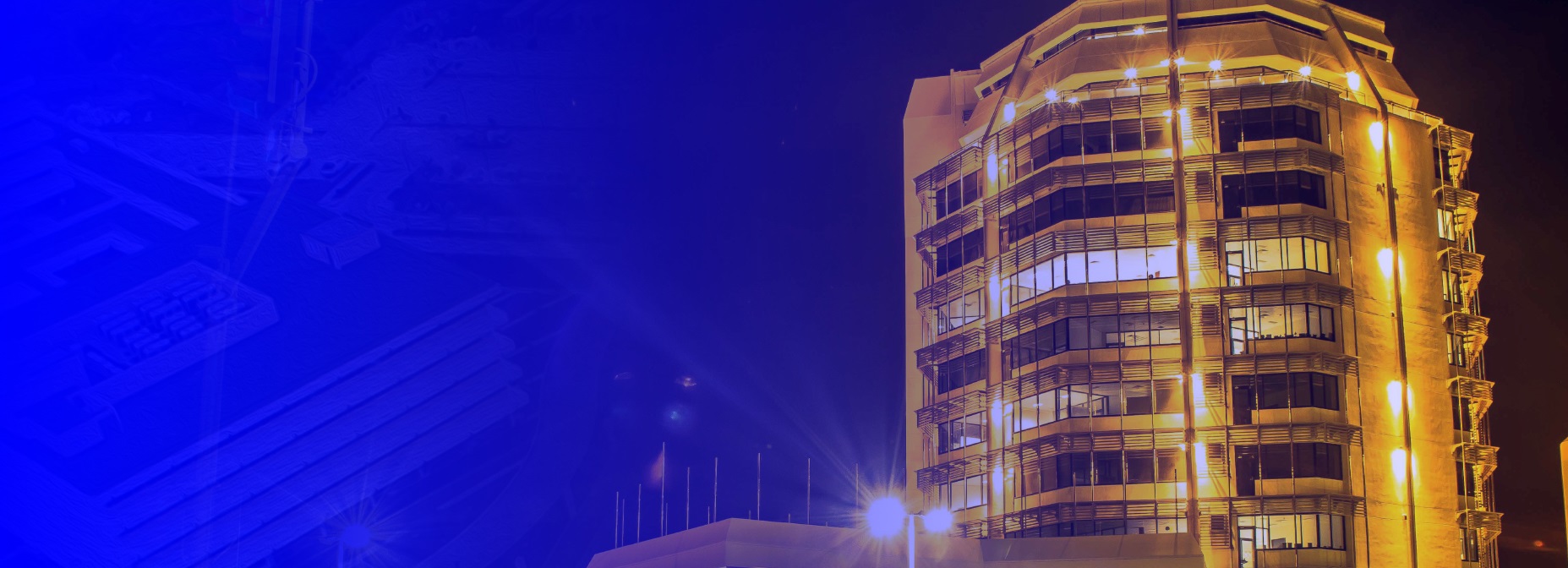
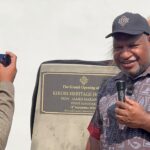
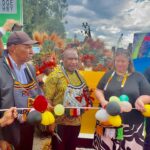
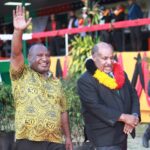
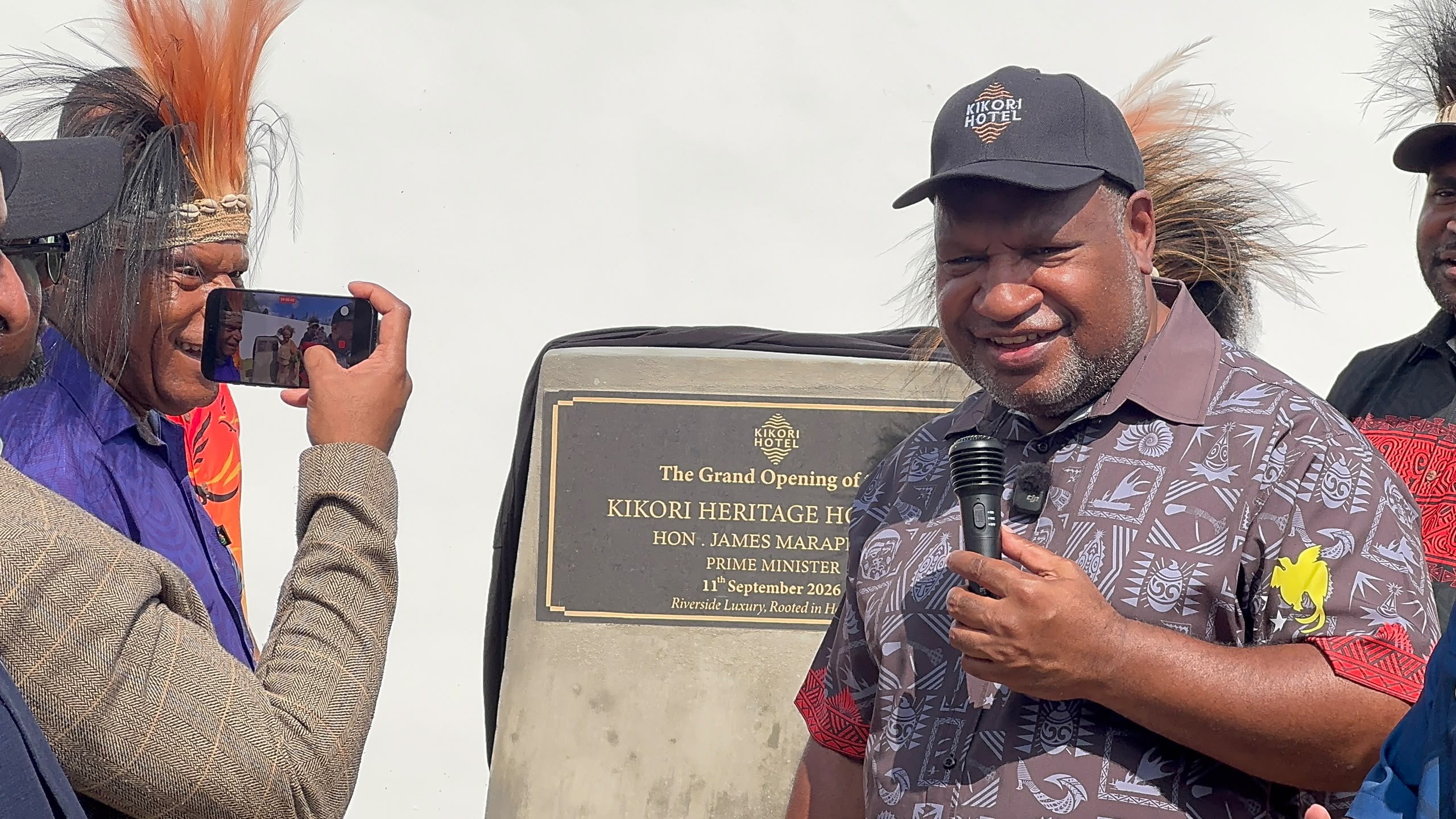
Speaking at the opening of the Kikori Heritage Hotel today (Friday, 11 September 2026), Prime Minister Marape said the development demonstrated how infrastructure could transform previously isolated parts of Papua New Guinea.
“Before 2019, this was an outback post,” Prime Minister Marape said.
“Today, road connectivity has enabled developments like this hotel. This will not be the last hotel. It must be the first of many more hotels in what will be a new Kikori going forward.
“Kikori will never be the same again.”
Prime Minister Marape commended Mineral Resources Development Company Managing Director Augustine Mano and the landowner companies and beneficiaries behind the investment.
He said the MRDC model demonstrated how wealth generated from natural resources could be reinvested into businesses that created jobs and economic opportunities for Papua New Guineans.
ROADS MUST CREATE WEALTH
Prime Minister Marape said the Government was building roads not simply to connect communities, but to connect people with markets and economic opportunities.
He highlighted the story of a Kikori woman, who told the gathering how improved road connectivity had enabled her to transport barramundi, coconut, sago and other produce from Kikori into Mt Hagen for sale and bring Highlands vegetables back to Kikori.
“If one sister here can see road connectivity as an opportunity to move her own family’s life forward, that is an inspiration for the rest of you,” Prime Minister Marape said.
“The road that we are building must lead to economic activity somewhere.”
He challenged people along the expanding road network to take advantage of new markets by increasing production in agriculture, fisheries and other small businesses.
“Money will not fall from the sky unless we all work for it,” he said.
“Work your cocoa. Work your coffee. Work your sago. Work your tourism. Grow your economy ourselves.”
Prime Minister Marape recalled his own upbringing, saying income earned by his mother from selling vegetables helped support his education.
He said the same opportunities existed for Papua New Guineans willing to work their land and take advantage of improving transport connections.
KIKORI POISED FOR MAJOR GROWTH
Prime Minister Marape said Gulf Province’s strategic location and natural resources placed it in a strong position for future growth.
He reaffirmed the Government’s commitment to ensuring Gulf Province benefits from major resource developments, including Papua LNG and Pasca, as well as downstream processing and associated businesses.
“Gulf will move,” he said.
“That is why I said my own little town of Kikori will never be the same again.”
Prime Minister Marape said the Government wanted Kikori to develop as an industrial and commercial centre complementing other growth centres in Gulf Province.
He said the opening of the Kikori Heritage Hotel was another indication of growing private and landowner investment following improvements in connectivity.
TOURISM STARTS AT HOME
Prime Minister Marape also called for greater investment in domestic tourism, saying Papua New Guineans themselves should travel and experience their country.
He encouraged MRDC and Papua New Guinean landowner companies to continue investing in tourism facilities around the country.
“Our domestic tourists must travel to our own country,” he said.
“Visit each other. Kerema people visit Hagen, Hagen people visit Kerema. Visit Morobe. Go to Madang.
“Together we live, move around and use hotels, guest houses, service stations, roads, airports and telecommunications.”
He pointed to the diversity of people encountered during his overland journey through several provinces, saying Papua New Guineans from different regions were increasingly connected through roads, commerce and travel.
“It just shows what road connectivity can do in bringing our country together,” he said.
NO PLACE LEFT BEHIND
Prime Minister Marape said the Government’s long-term programme was to connect previously isolated parts of Papua New Guinea and ensure infrastructure became an economic enabler.
“No place, no child and no person must be left behind in any part of our country,” he said.
He said major resource projects, together with greater production in agriculture, fisheries and tourism, could significantly expand Papua New Guinea’s economy, but ordinary citizens must participate in that growth.
Standing on the banks of the Kikori River, Prime Minister Marape called on Papua New Guineans entering the country’s 51st year of Independence to embrace work, enterprise and national unity.
“Find a place to work. Work your cocoa. Work your coffee. Work your sago. Work your tourism,” he said.
“Love your brothers and sisters from the other tribe. Work together.
“Together, we make our country a better place.”