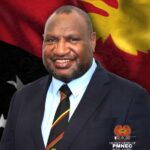

Prime Minister Hon. James Marape has declared that Papua New Guinea is entering a new era of resource development, saying his Government has laid the foundations for stronger national benefits while maintaining the country’s reputation as a stable and attractive destination for international investment.
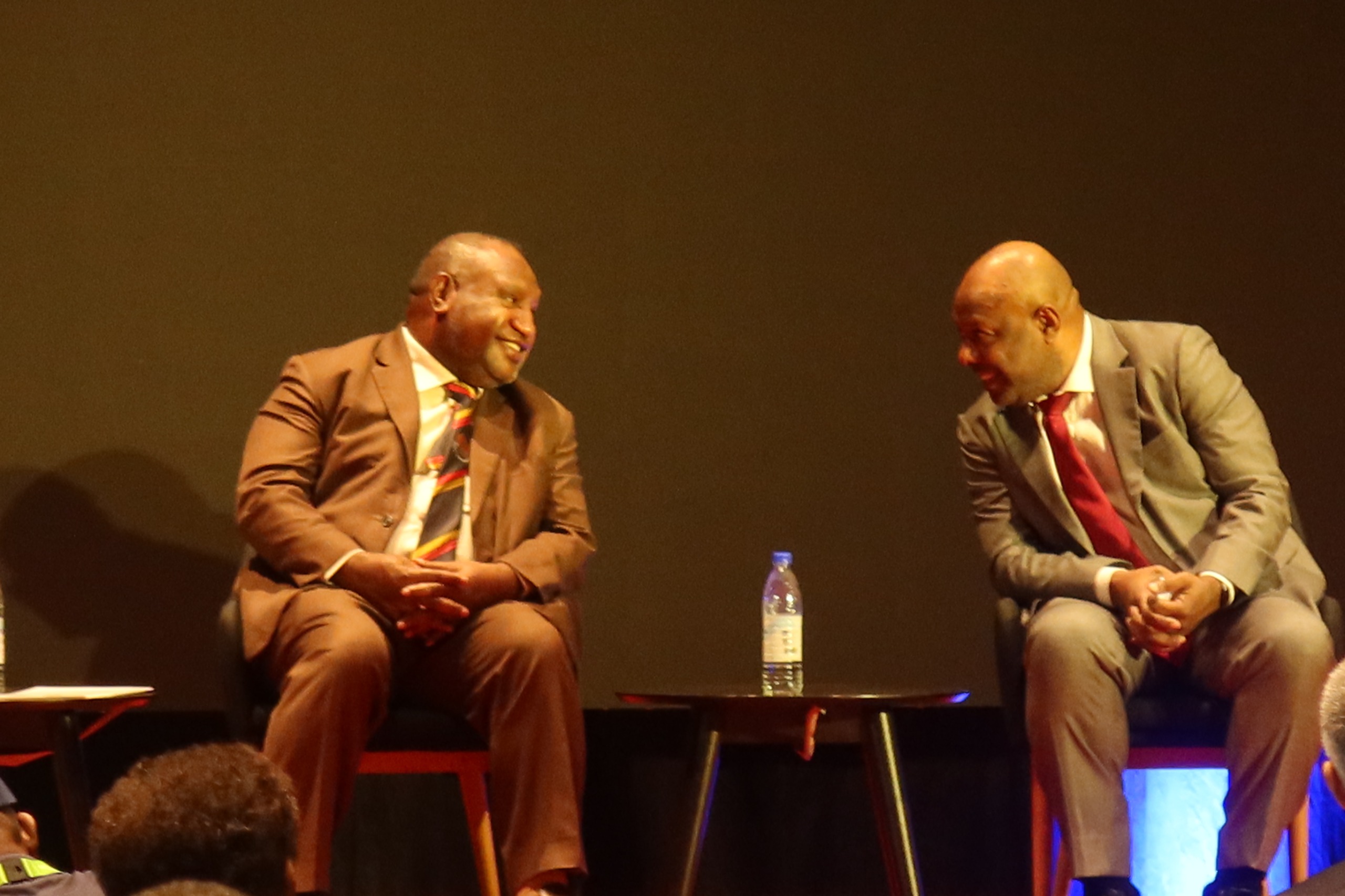
Speaking at the opening of PNG Resources Week 2026 in Port Moresby today, Prime Minister Marape said Papua New Guinea’s resource industry was built on more than a century of experience and was now positioned for its next phase of growth.
“We are not new to mining, petroleum or energy,” Prime Minister Marape said.
“Papua New Guinea has been engaged in mining since the 1920s, while our modern petroleum industry has been producing for more than 40 years. This is not a new conversation. We are a proven resource nation with a long record of hosting world-class investments.”
The Prime Minister thanked resource companies, investors and industry leaders who have continued to invest in Papua New Guinea over many decades, describing the sector as the country’s largest foreign exchange earner and a major contributor to employment, government revenue, royalties, infrastructure and economic growth.
He said despite global economic uncertainty, Papua New Guinea remained a reliable investment destination, pointing to the uninterrupted production history of major projects including Kutubu, Ok Tedi, Porgera and PNG LNG.
“Our record speaks for itself. Kutubu has continued supplying international markets since production began. Ok Tedi has remained a major producer despite natural disasters and operational challenges. PNG LNG continues to deliver gas to international customers while maintaining world-class production standards.
“At the same time, we have successfully renegotiated the Papua LNG Gas Agreement to secure around 55 per cent total national benefits for Papua New Guinea before the project proceeds into construction. This shows that our Government can secure stronger national returns while maintaining investor confidence and preserving Papua New Guinea’s reputation as a reliable destination for world-class resource investment.
“Our record confirms Papua New Guinea’s ability to host, sustain and grow globally significant resource investments.”
Prime Minister Marape reiterated that his Government’s resource policy seeks a minimum total national benefit of 55 per cent, explaining that this is frequently misunderstood.
“The 55 per cent is not simply about government equity,” he said.
“It includes equity returns, taxes, royalties, dividends, local business participation, downstream processing, employment and every other economic benefit flowing into Papua New Guinea.
“Investors must make a fair return on their investment. We fully respect that. But our responsibility is to ensure Papua New Guinea also receives a fair share through taxes, royalties, landowner benefits, local content and wider economic participation.”
The Prime Minister said significant progress had already been achieved across the Government’s priority resource projects, commonly referred to as the ‘Four Ps and One W’ — Porgera, Pasca, Papua LNG, P’nyang and Wafi-Golpu. He said these projects reflected the Government’s policy of securing stronger national returns while maintaining commercially competitive investment conditions.
He said:
• Porgera has resumed operations under renegotiated arrangements delivering around 55 per cent total benefits to Papua New Guinea over the life of the project.
• The Papua LNG Gas Agreement has been successfully renegotiated, securing around 55 per cent total national benefits for Papua New Guinea while maintaining the project’s commercial viability and investor confidence.
• P’nyang negotiations are nearing completion and are expected to deliver more than 63 per cent total national benefits.
• Pasca A will provide approximately 70 per cent total benefits to the State under the agreed project structure.
• Wafi-Golpu negotiations are also approaching conclusion, with the Government pursuing above 55 per cent total economic benefits for Papua New Guinea. Only a small number of outstanding matters remain.
Prime Minister Marape rejected suggestions that Government had delayed major projects, saying negotiations had instead focused on ensuring long-term national value while maintaining commercial viability.
“In the past seven years we have been building strong foundations rather than chasing short-term headlines,” he said.
“Like the Chinese Moso bamboo, much of the growth happens beneath the surface before it becomes visible. We have been putting in place the foundations that will sustain our country for decades.”
The Prime Minister said Papua New Guinea’s resource future extended well beyond the current pipeline of major projects.
He highlighted ongoing petroleum exploration by TotalEnergies in the Gulf-Central region, continued exploration by ExxonMobil, emerging gas commercialisation opportunities involving domestic investors, and a growing pipeline of mining developments including Wafi-Golpu, Frieda River, Tolukuma, Woodlark, Misima, Yandera, and renewed downstream processing opportunities for nickel and other strategic minerals.
He also reaffirmed his Government’s commitment to responsible environmental management.
“We recognise that every resource project carries environmental responsibilities. Our objective is to minimise environmental impacts while maximising economic returns through the highest international standards.”
Prime Minister Marape said downstream processing, local participation and skills development would become increasingly important as Papua New Guinea moves into its next generation of resource projects.
He encouraged Papua New Guinean businesses to build sustainable companies capable of serving the resource industry over the long term rather than depending solely on individual construction booms.
“Our objective is not only to extract resources but to build lasting Papua New Guinean businesses that continue creating jobs and wealth long after individual projects are completed.”
The Prime Minister also highlighted the importance of his Government’s international engagement, saying relationships with Australia, Japan, France, China and other development partners were helping secure investment, technology and export markets for Papua New Guinea’s resources.
“Our foreign policy is directly connected to economic development. Every international engagement is about opening markets, attracting investment and creating opportunities for Papua New Guineans.”
Prime Minister Marape concluded by expressing confidence in Papua New Guinea’s long-term future.
“The next twenty years will be one of the most exciting periods in our country’s history.
“We have more than 19 resource projects at various stages of development. With sound policies, stable partnerships and stronger national participation, Papua New Guinea is well positioned to become one of the leading resource economies in the Asia-Pacific region while ensuring greater benefits remain with our people.”