

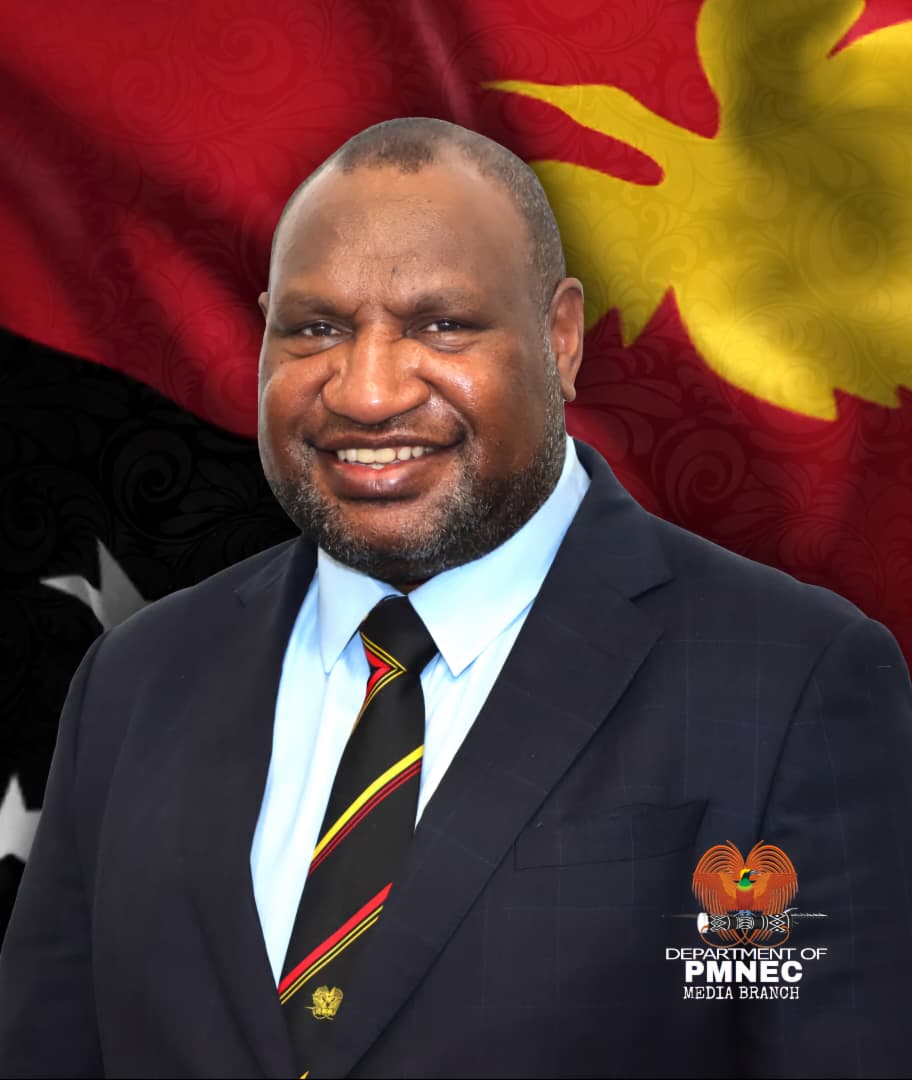

Prime Minister Hon. James Marape has announced a major new land and housing initiative aimed at creating up to 10,000 allotments in Port Moresby, as part of a broader national effort to convert informal settlements into properly planned suburbs and give working Papua New Guineans secure access to land and home ownership.
Prime Minister Marape said the initiative followed a high-level meeting on Friday with NCD Governor Hon. Powes Parkop, senior officials from City Hall, the Department of Lands, the Department of National Planning, the National Housing Corporation, and other key stakeholders to address the urgent need for proper urban planning and affordable housing in the nation’s capital.
“Too many of our people who have worked and lived in Port Moresby for years, including second and third generation city residents, still do not have proper access to land or secure housing,” Prime Minister Marape said.
“This must change. Papua New Guineans cannot be displaced in their own city. If our people are employed and contributing to the life of this city, then they deserve the opportunity to have a piece of land, a title, and a proper home.”
Prime Minister Marape said the National Government had now tasked the NCD administration to take the lead in preparing a clear master plan for the city, with full backing from the National Government.
He said the goal was to create up to 10,000 allotments in Port Moresby and ensure that future land allocation was guided by a coordinated and fair planning process.
“As of now, I have instructed the Department of Lands that no more vacant State land is to be issued out until we are fully aligned on a programme that creates space for working people living in the city,” he said.
“We want a fair and structured process that gives ordinary employed Papua New Guineans a real chance of owning land and building homes, instead of land continuing to disappear without a clear national purpose.”
Prime Minister Marape said the Government would work closely with employers in Port Moresby so that properly employed citizens could benefit from planned housing allotments, rather than being forced into lengthy and uncertain land application processes.
He also welcomed a proposal presented at the meeting by developer Parkside for the development of an initial 2,000 Australian-standard homes at Gerehu Stage 7, describing it as a positive sign that the private sector was ready to partner government in building new, properly planned suburbs.
“Since Independence, we have seen very little development of entirely new suburbs in our country,” Prime Minister Marape said.
“We want to build proper suburbs for our people, with proper roads, services, titles, and homes, so families can live with dignity and security.”
The Prime Minister said the National Government was also designing a long-term housing finance scheme in partnership with local banks and lenders, including concessional arrangements that would make home ownership more accessible for working families.
He said the proposed model would include intergenerational housing loans of up to 49 years, allowing families to establish homes that could be sustained across generations.
“This is about creating long-term family security,” Prime Minister Marape said.
“We are looking at a 49-year land and housing loan programme so that if parents begin the journey of home ownership, the next generation can continue it. We want to make housing affordable, practical, and sustainable for Papua New Guinean families.”
Prime Minister Marape urged residents not to engage in illegal squatting or informal land dealings, warning against building on untitled land or entering into risky arrangements with unauthorised sellers.
“I want to appeal to our people: do not rush out, put up iron roofing on land that is not properly titled, and think you are secure,” he said.
“Do not encourage illegal squatting. Do not deal in uncertain land arrangements. Stand by and work with the proper processes that Government and NCD will now put in place.”
He said the first people to be assisted under the new programme would be those who had already been evicted or displaced from settlements, with the Government establishing a new Urbanisation Office that will report directly to the Prime Minister to coordinate the programme.
The office will work with City Hall and relevant agencies to identify displaced residents, assess their circumstances, and help relocate them onto proper land with formal title arrangements and pathways into decent housing.
“As we mark 50 years of nationhood, our people deserve to have land and a place to call home,” Prime Minister Marape said.
“We will start in Port Moresby, but our intention is to roll this programme out across the country so that land and housing solutions become part of a wider national development agenda.”
Prime Minister Marape said the housing programme was also linked to the Government’s broader customary land registration efforts, which would enable customary landowners to properly register land, access finance, and develop their land for housing and business purposes.
“If customary land is properly registered under the names of clans and traditional landowners, then it can become a powerful asset for development,” he said. “
We want to support both urban and rural land development, making land work for our people through proper registration, proper planning, and proper financing.”