

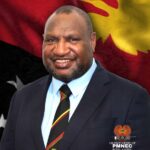
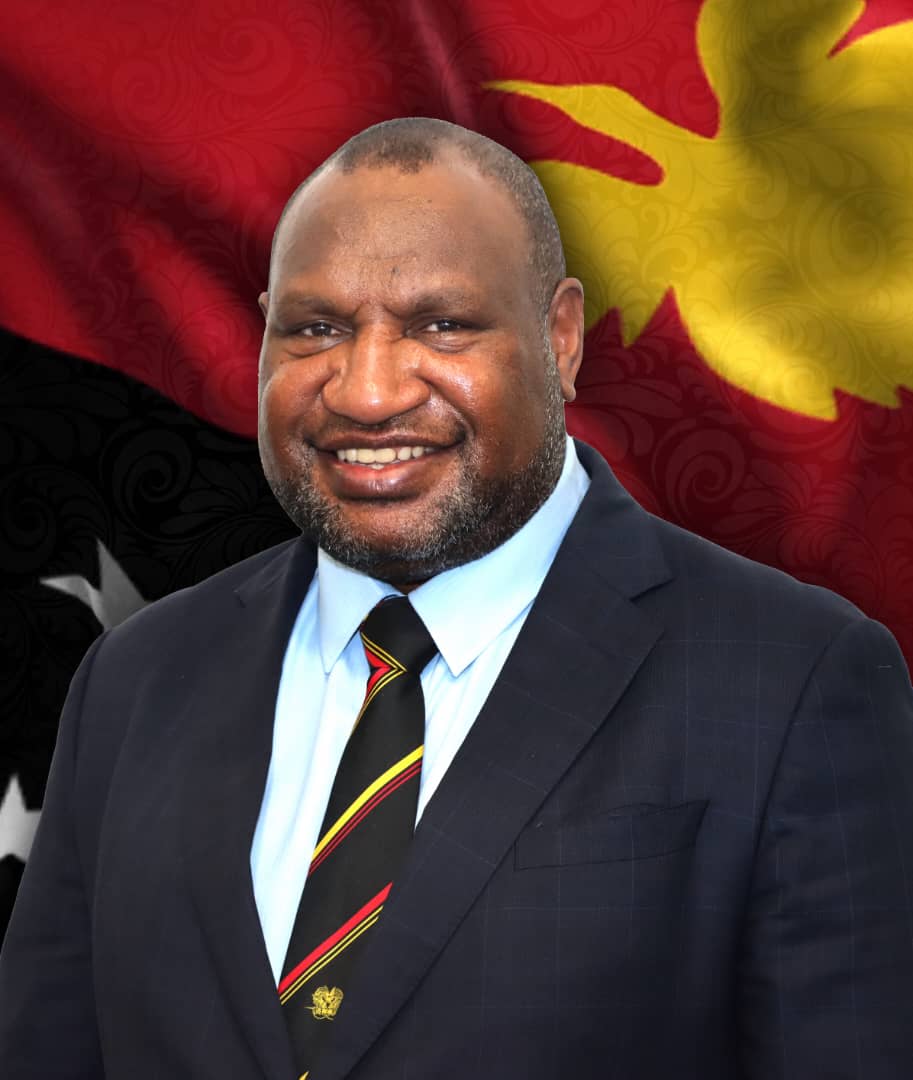

Prime Minister Hon. James Marape has issued strong and clear directions to key law enforcement, regulatory and financial institutions to work together decisively to stop money laundering in Papua New Guinea, warning that economic growth efforts will be undermined if corruption and illicit financial flows are allowed to continue unchecked.
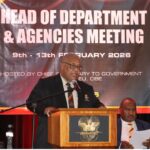
The Prime Minister made the remarks following a high-level meeting coordinated by the Chief Secretary, involving the Royal Papua New Guinea Constabulary, the Independent Commission Against Corruption (ICAC), the Ombudsman Commission, the Bank of Papua New Guinea, the Financial Analysis and Supervision Unit (FASU), the Department of Justice and Attorney-General, and other relevant agencies.
Prime Minister Marape said Papua New Guinea continues to struggle to exit international grey-listing, not because of terrorism financing, but due to weak enforcement and prosecution in money laundering cases.
“Papua New Guinea is not known internationally for financing terrorism, but we have not demonstrated a firm and effective fight against money laundering,” Prime Minister Marape said.
“We are struggling to come off the grey list because there has not been strong coordination and visible prosecution by those tasked with fighting money laundering in our country.”
The Prime Minister said he had made it clear to all agencies present that they must operate as one coordinated gatekeeper system to stop illegal money flows.
“I have tasked all agencies to work together — police, ICAC, the Ombudsman Commission, the Central Bank and financial institutions — to stop money laundering taking place in Papua New Guinea,” he said.
Prime Minister Marape directed authorities to begin by closely scrutinising public financial transactions, including disbursements processed through the Department of Finance and Treasury.
“If you do not know where to start, start with all Section 32 officers and designated officers,” he said.
“Examine transactions, check banking records, and begin prosecuting those who are facilitating money laundering in our country.”
He said Section 32 officers are stationed across the public sector, including national departments, provincial administrations, districts, schools, provincial health authorities, boards, universities and colleges, making it critical that funds released are properly accounted for and used for their intended purposes.
Prime Minister Marape also pointed to district-level spending as a practical starting point for enforcement action.
“In the first one or two weeks of 2026, if you do not know where to begin, start by examining disbursements and investments in Tari-Pori District,” he said.
“Track the flow of funds, check whether money released is reaching its intended targets, and ensure it translates into real work on the ground.”
The Prime Minister warned that his government’s efforts to grow the economy would be wasted if corruption and money laundering are allowed to benefit a small group at the expense of the nation.
“My effort in growing the economy will be totally wasted if we allow a shadow economy where people profit from corruption and money laundering,” Prime Minister Marape said.
He reiterated that the Government expects firm action, coordination and accountability from all institutions involved.
“My strong direction is clear: police, ICAC, the Ombudsman Commission, the Central Bank and the banks must work together to stop illegal money transactions in Papua New Guinea,” he said.
“This is about protecting the integrity of our financial system, restoring confidence, and ensuring that public money serves the people of Papua New Guinea.”