



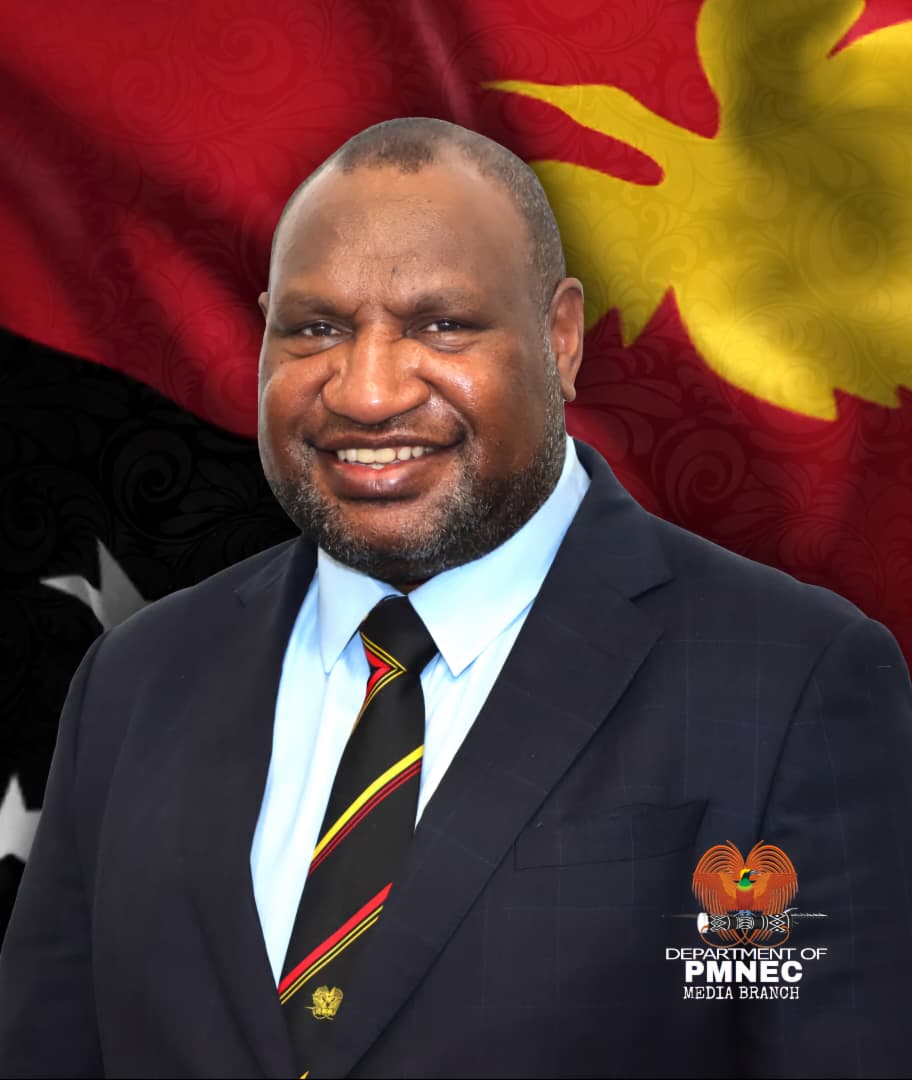

Prime Minister and Tari-Pori MP Hon. James Marape has commended Hela Governor Hon. Philip Undialu and the Hela Provincial Government for taking decisive steps to implement the National Government’s prison rehabilitation, education and skills-training policy.
Prime Minister Marape said the initiative reflects the Government’s commitment, first announced in 2019, to transform prisons into centres of learning, rehabilitation and economic reintegration.
“I commend Governor Philip Undialu and his provincial administration for responding to the national government’s call and making this policy work on the ground,” Prime Minister Marape said.
“This is exactly how government policy should operate — not remaining on paper, but translated into real programmes that change lives.”
The Prime Minister said correctional institutions across Papua New Guinea must no longer function only as detention centres, but as training environments for education, skills development and rehabilitation.
Under the policy, prison precincts are to be utilised for:
• flexible open and digital education;
• technical and vocational education and training (TVET); and
• basic trade and livelihood skills.
“These prisoners, if educated properly and trained properly, become productive citizens,” Prime Minister Marape said.“They can be deployed to work with companies, districts and provincial governments — cleaning towns, supporting community projects and contributing meaningfully to development.”
He said inmates who demonstrate discipline, good behaviour and commitment to work and training programmes may qualify for sentence reductions and structured reintegration into society.
“We are looking at a system where those who work faithfully and serve their communities well can have their sentences significantly reduced,” he said.
“Upon release, they can be redeployed with SME starter packages, or secure employment with companies they have already worked with.”
Prime Minister Marape emphasised that the policy does not require large financial commitments.
“These programmes do not require millions of kina,” he said.
“What is required is leadership — governors, provincial administrators and education advisers taking responsibility and going into the prisons in their provinces.”
He urged provincial governments to work closely with vocational institutions by enrolling inmates in external training programmes or bringing vocational schools directly into prison precincts.
“In every prison there are educated inmates and trained individuals who can also be engaged as peer instructors,” he said.
“Together, we can upskill and train prisoners to become resourceful people — contributors to society rather than repeat offenders.”
The Prime Minister also revealed that the National Government has instructed relevant agencies to implement electronic monitoring systems, including electronic wristbands and biometric identification, for prisoners participating in work-release programmes.
“This ensures that when prisoners are deployed into communities, they are fully monitored through our national electronic and biometric systems,” he said.“This allows us to safely expand re-education, TVET studies and work programmes nationwide.”
Prime Minister Marape said successful implementation would reduce re-offending, strengthen community development and build a skilled workforce.
“When prisoners are rehabilitated through education and skills training, they return to society as productive human beings,” he said.
“I now call on all provincial governors — look at the prisons in your provinces. These facilities are potential centres of human resource development.
“Let us turn our correctional institutions into places of reform, dignity and second chances.”