
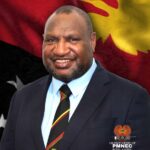
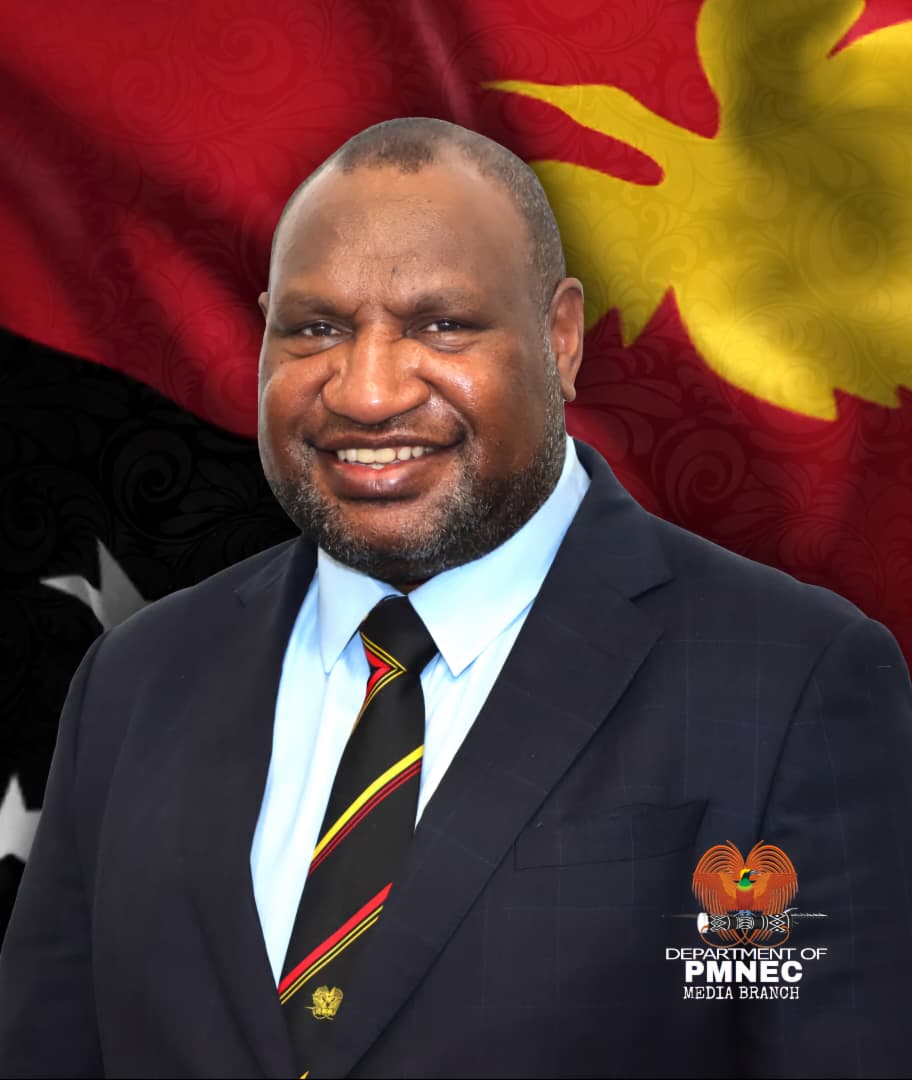

Prime Minister Hon. James Marape has announced the start of Papua New Guinea’s full national preparations for the 2027 General Election, appointing the Chief Secretary to chair a powerful Inter-Government Election Preparedness Committee bringing together the country’s electoral, security, intelligence and legal agencies.
Speaking to the media today, Prime Minister Marape said the process formally began from 13 January 2026, giving Government nearly 18 months to fix deep-seated weaknesses that have undermined past elections.
“We want to make it a safer, fairer and better election. We want to be 2027-ready,” Prime Minister Marape said.“So from January 2026, we are preparing for the 2027 elections.”
Chief Secretary to Lead Whole-of-Government Coordination
Prime Minister Marape said the Chief Secretary will chair the new inter-government committee, ensuring that all national institutions work together instead of operating in isolation.
Under the arrangement, the committee will include:
• Electoral Commissioner
• Police Commissioner
• PNG Defence Force Commander
• Director-General of the National Intelligence Organisation (NIO)
• Attorney-General’s Office
• Other government agencies and key stakeholders
From the political and Cabinet oversight side, the committee will report through Minister for Administrative Services Hon. Richard Masere and to the Prime Minister himself.
“From the political portfolio perspective, they will report to Minister Masere and to myself so that there is oversight,” Prime Minister Marape said.
He said this structure is designed to ensure no single agency carries the burden alone and that national security, electoral integrity and legal compliance are coordinated at the highest level.
K50 Million Already in the Budget, More Available if Needed
Prime Minister Marape confirmed that Government has already provided K50 million in the 2026 National Budget to begin early procurement and preparation.
“We have allocated K50 million this year, and there is enough space in the budget if more is required,” he said.
He said Government can also draw on Prime Minister and National Executive Council (NEC) allocations to fast-track urgent reforms, especially where early procurement is needed to avoid 2022-style logistical failures.
“If the committee feels that certain things need to be procured early in 2026, we will procure them,” he said.
Fixing the Roll, ID Systems and Election Infrastructure
Prime Minister Marape said the early start will allow Government to tackle long-standing electoral weaknesses that have repeatedly undermined public confidence.
These include:
• Cleaning and updating the common roll
• Fixing voter identification and registration
• Electronic ID and biometric support systems
• Roll verification and polling-day logistics
• Security planning for volatile areas
“All of this will be worked on now so that when we reach 2027, the Electoral Commission is better assisted and only focuses on the administrative side of running the election,” he said.
He said past elections have been overwhelmed by weak data, poor logistics and inadequate security, leaving the Electoral Commission to struggle under unrealistic pressure.
Political Stability Finally Allows Real Reform
Prime Minister Marape said the current political stability — after years of court battles and no confidence motions — has given Government its first genuine opportunity to fix national systems.
“This is possibly the only year I have had that I am free from political dictates,” he said. “From 2019 until today, there have been court cases and political challenges. I have faced nine political challenges.”
He said previous political instability often forced governments to prioritise numbers over national interest.
“Sometimes you are influenced by the need to maintain political numbers, and it clouds good governance,” he said. “But thank God I had the sanity to manage politics and run government. Now we have the opportunity to make corrections.”
Use the Ballot, Not Violence
Prime Minister Marape issued a direct appeal to Papua New Guineans to reject political violence and instead use their constitutional right to vote.“If you are not happy with the Marape Government, vote against me in 2027,” he said. “That is your right under Section 50 of the Constitution.”
He said democracy — not unrest — is the legitimate way to express dissatisfaction.“The place to voice frustration is at the ballot box,” he said.
No Vote-Buying, No Tribal Politics
The Prime Minister also called for a new political culture in 2027, urging voters to reject money politics, tribal loyalties and intimidation.“Don’t vote for a plate of food.Don’t vote for tribe.Don’t vote for wantoks,” he said.
“Vote to create a government of your choice.” He said a properly prepared 2027 election would give every candidate a fair platform and every citizen the confidence that their vote truly counts.“Hold your leaders to account. That is your right,” Prime Minister Marape said.“And if a leader has not performed, your greater right comes in 2027.”