


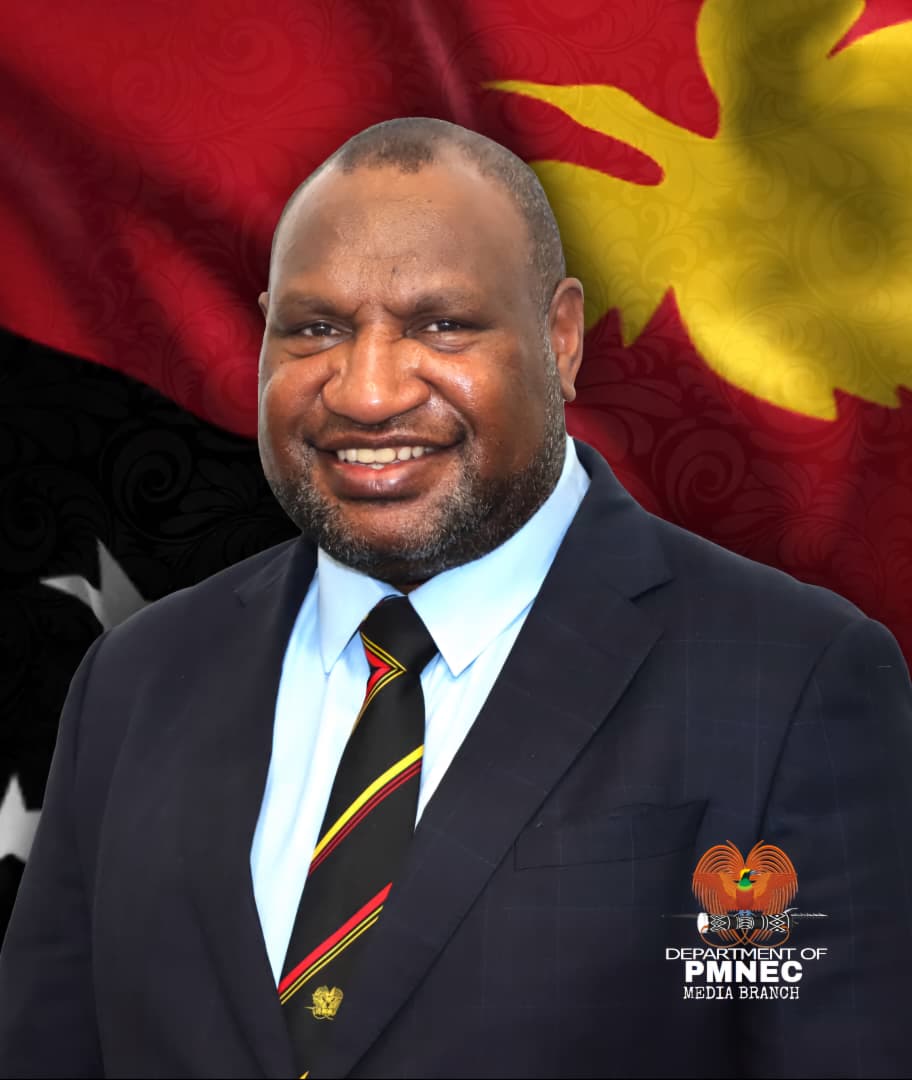

Prime Minister Hon. James Marape has announced that the National Executive Council (NEC) has approved the sale of 18 PNG Power Limited (PPL) Category B and C centres through an open public tender, while encouraging provincial governments to take ownership stakes in electricity businesses serving their communities.
The decision, approved under NEC Decision No. 285/2026 on 4 November 2026, covers Aitape, Daru, Maprik, Vanimo, Wewak, Angoram, Finschhafen, Samarai, Alotau, Kerema, Popondetta, Kavieng, Arawa, Buka, Lorengau, Kimbe, Bialla and Tari.
Prime Minister Marape said the decision followed a comprehensive assessment of the financial performance of the centres and the business case for divestment.
“According to KordaMentha’s assessment, these smaller centres collectively generate negative earnings before interest, taxes, depreciation and amortisation (EBITDA) of approximately K54.1 million,” he said.
“Without reform, they will continue to place significant financial pressure on PNG Power and consume resources that could otherwise be directed towards improving electricity services.
“Most of these centres depend heavily on diesel-powered generation, exposing PNG Power to high fuel costs, supply disruptions, fuel theft and fluctuating diesel prices.
“This reform will reduce those pressures while allowing PNG Power to concentrate on strengthening its core operations and delivering more reliable electricity services.”
The Prime Minister emphasised that the Government would remain mindful of the need to maintain electricity services in all affected centres throughout the reform process.
“We have informed PNG Power that, while proceeding with this reform, we must recognise that these centres still need to sustain their electricity operations,” he said.
“This is not simply about selling off assets and walking away. Government stands ready to ensure that the public-private partnership arrangements maintain reliable electricity services for our people.
“We will not compromise the delivery of an essential service. Our objective is to establish a more sustainable model of electricity generation and distribution, with stronger local ownership, professional management and continued government oversight.”
Prime Minister Marape said the initiative presented an important opportunity for provincial governments to become active participants in the ownership and management of essential utilities.
“I encourage provincial governments to seriously consider participating in the public tender process when it is advertised,” he said.
“Provincial governments can partner with PNG Power and reputable private sector investors to acquire ownership stakes in these electricity businesses, with independent professional management responsible for their operations.
“This would bring electricity companies closer to the provinces and the people they serve, while allowing them to operate as commercially sustainable business entities.
“When management and decision-making are closer to the communities receiving electricity services, there is greater opportunity for accountability, responsiveness and improved service delivery.”
Prime Minister Marape pointed to smaller Pacific island nations as examples of how essential utilities could be operated sustainably.
“Look at our smaller Pacific island neighbours, such as Tuvalu, with a population of around 17,000 people. They have electricity, water and telecommunications companies serving their economy and their people,” he said.
“If a small Pacific island nation can sustain these essential services, then our provinces should also be looking seriously at opportunities to own and operate utilities through appropriate commercial partnerships.”
The Prime Minister said the initiative was consistent with the Government’s broader commitment to decentralisation and greater provincial autonomy.
“We often hear provincial governments talking about autonomy, decentralisation and the transfer of powers and functions,” he said.
“But decentralisation must go beyond simply transferring administrative responsibilities from Waigani to the provinces.
“It must also involve empowering provincial governments to participate in economic activities and take greater responsibility for essential services such as electricity and water.
“Provincial governments should not always be waiting for Waigani or a national State-owned enterprise to deliver every service.
“This is an opportunity for provinces to step forward, become shareholders in electricity businesses and work with PNG Power and private sector partners to deliver better services to their own people.
“That is the practical decentralisation our Government wants to encourage – bringing ownership, management, economic opportunities and service delivery closer to the people.”
Prime Minister Marape said the decision built on the NEC’s earlier approval of PNG Power’s partial privatisation under Decision No. 293/2024 and its privatisation roadmap under Decision No. 133/2025.
“Cabinet has deliberately chosen an open and competitive public tender rather than direct or negotiated sales to ensure transparency, accountability and the best possible value for public assets,” he said.
“This is about improving PNG Power’s efficiency while creating opportunities for provincial governments and reputable private sector partners to participate directly in electricity generation and distribution.”
Prime Minister Marape thanked the Minister responsible for PNG Power, Hon. Richard Maru, and Cabinet for supporting the reform, which is expected to deliver approximately K70 million in cost savings for PNG Power.
He said provincial governments in which the centres are located would be given the first opportunity to purchase them through nominated joint venture entities involving reputable private sector partners, including Ok Tedi Energy.
“Our provincial governments understand the electricity needs of their communities. By giving them the first opportunity to participate, together with capable private sector partners, we are encouraging local ownership, investment and greater responsibility for electricity services,” he said.
“This approach will improve operational efficiency, attract investment in sustainable power generation and strengthen electricity services in our provincial centres.”
The Prime Minister said Kumul Consolidated Holdings (KCH) would lead and manage the tender process on behalf of PNG Power.
KCH will engage a transaction adviser and work closely with the Independent Consumer and Competition Commission, the National Energy Authority and other relevant stakeholders to ensure the process meets regulatory and commercial requirements.
“No sale will be finalised without Cabinet approval. KCH has been directed to report back to the NEC through the responsible Minister by 31 January 2027, outlining valuation assessments, tender outcomes, preferred bidders and proposed commercial terms,” Prime Minister Marape said.
“This will ensure that Cabinet has full oversight before any binding transaction documents are signed.”
Details of the public tender process will be advertised by KCH.
Prime Minister Marape reaffirmed that the Government’s ultimate objective was to establish a stronger, financially sustainable electricity sector with greater provincial participation.
“We want electricity businesses that are professionally managed, commercially sustainable and responsive to the needs of our people,” he said.
“Most importantly, we want provincial governments to become genuine partners in delivering essential services and building their own economies.
“This is an opportunity to translate decentralisation into practical economic empowerment while ensuring reliable electricity services for our people.”