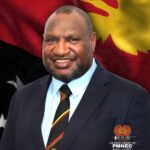
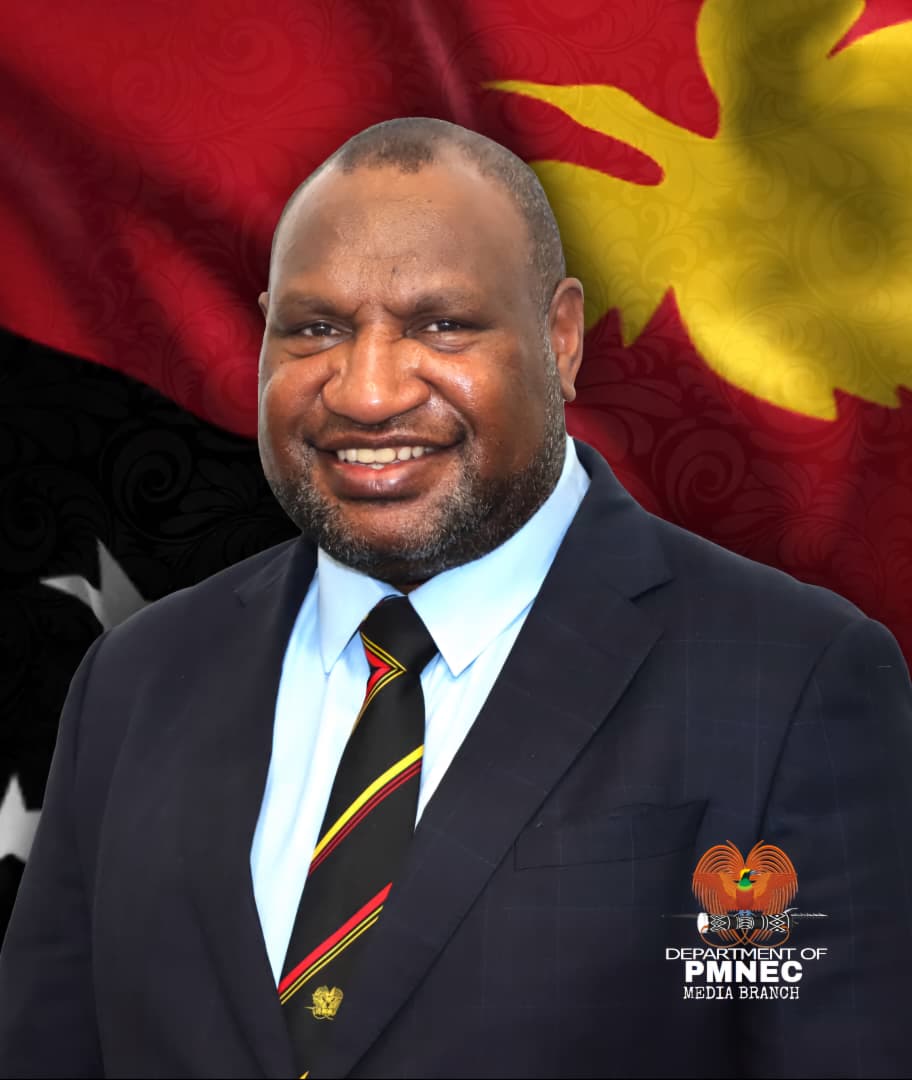

Prime Minister Hon. James Marape announced today that the national government will readjust its domestic fuel subsidy relief program to align with global market conditions.
The decision comes as part of a broader fiscal strategy to manage the national economy through persistent El Niño weather patterns and upcoming national elections.
Prime Minister Marape said the government has spent over K1 billion on the fuel subsidy program during a challenging fiscal year, noting that while the relief mitigated domestic cost pressures, the State must now transition to a balanced budget for the upcoming fiscal year.
The Prime Minister also issued a direct appeal to Papua New Guineans and parents to remain mindful of these tightening economic conditions, to assist in supporting the economy wherever possible, and to manage expectations regarding direct government relief.
“I appeal to our people to understand that next year will be even tougher, with elections coming up and El Niño continuing,” PM Marape said. “I want to ask all Papua New Guineans to help out in the economy wherever possible. Please do not expect too much from the government, such as the fuel subsidy we have been running.”
In addition to economic contributions, the Prime Minister strongly appealed to citizens to look after law and order within their respective communities, emphasizing that maintaining peace and stability is a vital way everyone can help the nation navigate these challenging times.
On the issue of fuel prices, Prime Minister Marape offered his reassurance that while structural changes are necessary, the government remains deeply committed to the welfare of its citizens and will do its absolute best to assist where possible to cushion severe impacts.
Prime Minister Marape emphasized that domestic fuel prices have been kept artificially lower than in neighbouring countries solely due to the State subsidy.
“If you look at the price of fuel in Australia and elsewhere,” Prime Minister Marape noted. “They are paying a much higher price than we are carrying right now. The reason we are paying less is not because of the world price, but because of our government’s subsidy program.”
Key directives and economic measures outlined by the Prime Minister include:
- Fiscal Discipline: The government is operating at a 1 percent deficit, down from a peak deficit of nearly 9 percent in 2020. It aims to achieve a balanced budget with zero borrowing next year.
- Debt and Borrowing Thresholds: Future external borrowing will be restricted until the national debt-to-GDP ratio falls below 30 percent.
- Funding Priorities: Full State funding for educational tuition—spanning early childhood through to universities and colleges—will be maintained despite the fiscal tightening. Resources will remain focused on essential health services, agriculture recovery, and electoral expenditures.
- Budget Expansion: The national budget has expanded to over K30 billion, up from less than K16 billion when the Marape-led Government took office.
“Because our budget and economy are bigger now must not give us a false sense of security,” PM Marape warned. “I call upon all governors, Members of Parliament, and departments to spend where it matters most – helping our people in tough times, focusing on key national impact projects, and maintaining essential services.”
He said the government will prioritize long-term economic growth through major resource initiatives, including the Papua LNG project, as he urged Papua New Guineans to work together.
“All of us must contribute to keeping our economy safer because there is a lot of fragility out there in the global economy,” the Prime Minister said. “It is going to be a very tough year again. We just have to work together better and harder.”