
Prime Minister Hon. James Marape has called for carefully planned and inclusive urbanisation across Papua New Guinea and the Pacific, emphasising that cities must be designed to improve the quality of life for people rather than become centres of congestion and inequality.
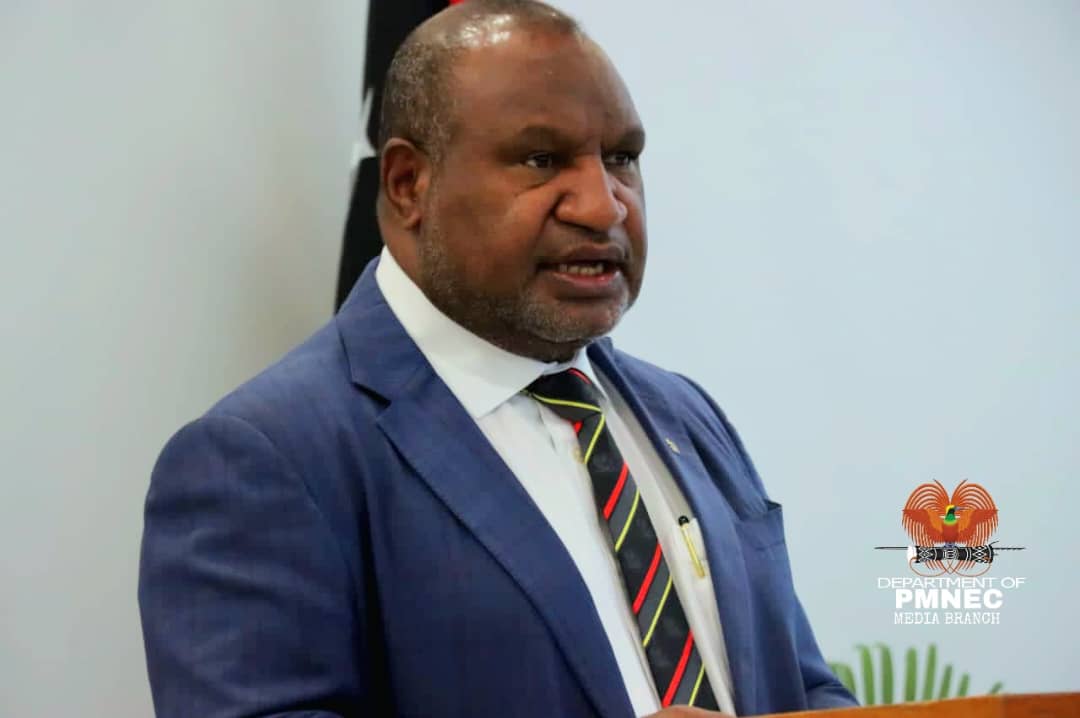
Delivering his keynote address at the 7th Pacific Urban Forum in Port Moresby, Prime Minister Marape said Papua New Guinea’s low level of urbanisation presents both a challenge and a unique opportunity to “get it right” as the country grows.
“Papua New Guinea remains one of the least urbanised nations on earth, with less than 20 per cent of our population living in towns and cities,” Prime Minister Marape said.“The global average is now above 50 per cent, and rising. This means we still have time to plan properly.”
He stressed that urbanisation should not be feared, but embraced as a pathway to better service delivery, economic opportunity, and improved living standards—provided it is managed strategically.
“Urbanisation is not a bad concept,” he said.“If planned well, it allows governments to deliver water, electricity, health, education, and other essential services more efficiently to our people.”
Prime Minister Marape warned that poorly managed urban growth—seen in many major cities around the world—leads to overcrowding, informal settlements, and strained infrastructure.
“We have seen the downside of unplanned urbanisation,” he said.“In some global cities, millions are packed into environments where services cannot keep up. That is not the future we want for Papua New Guinea or the Pacific.”
He said the movement of people from rural areas into towns and cities is inevitable and already underway in Papua New Guinea, making proactive planning essential.
“The process of urban migration is growing. Our responsibility now is to ensure our cities are ready—livable, inclusive, and properly serviced.”
Prime Minister Marape called on governments, municipal authorities, development partners, and private sector stakeholders to work together to design sustainable urban centres that reflect the region’s diversity and cultural identity.
“With proper planning and strong partnerships, we can build cities that are not only modern but also respectful of our traditions and social structures,” he said.
He emphasised that well-planned urbanisation can help governments better organise populations and deliver services at scale, while also creating opportunities for employment, education, and innovation.
“When people are settled in well-planned urban centres, we can provide quality education, health services, water and sanitation, and access to information more effectively,” he said.
Prime Minister Marape also highlighted the importance of ensuring that urban growth in Papua New Guinea aligns with long-term national development goals, particularly as the country marks 50 years of Independence.
“What you see in Port Moresby today reflects 50 years of progress,” he said.“But the next phase of our growth must be smarter, more organised, and more inclusive.”
He expressed confidence that with the right planning and investment, Papua New Guinea’s cities will transform significantly in the coming decade.
“Come back in 2035—you will see a completely different Port Moresby,” he said. “A city that reflects the full potential of our nation.”
The Pacific Urban Forum brings together leaders and stakeholders from across the region to discuss sustainable urban development, resilience, and inclusive growth in the Blue Pacific.