
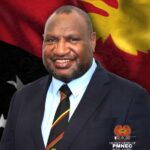
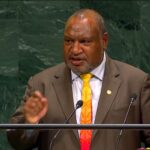
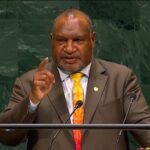
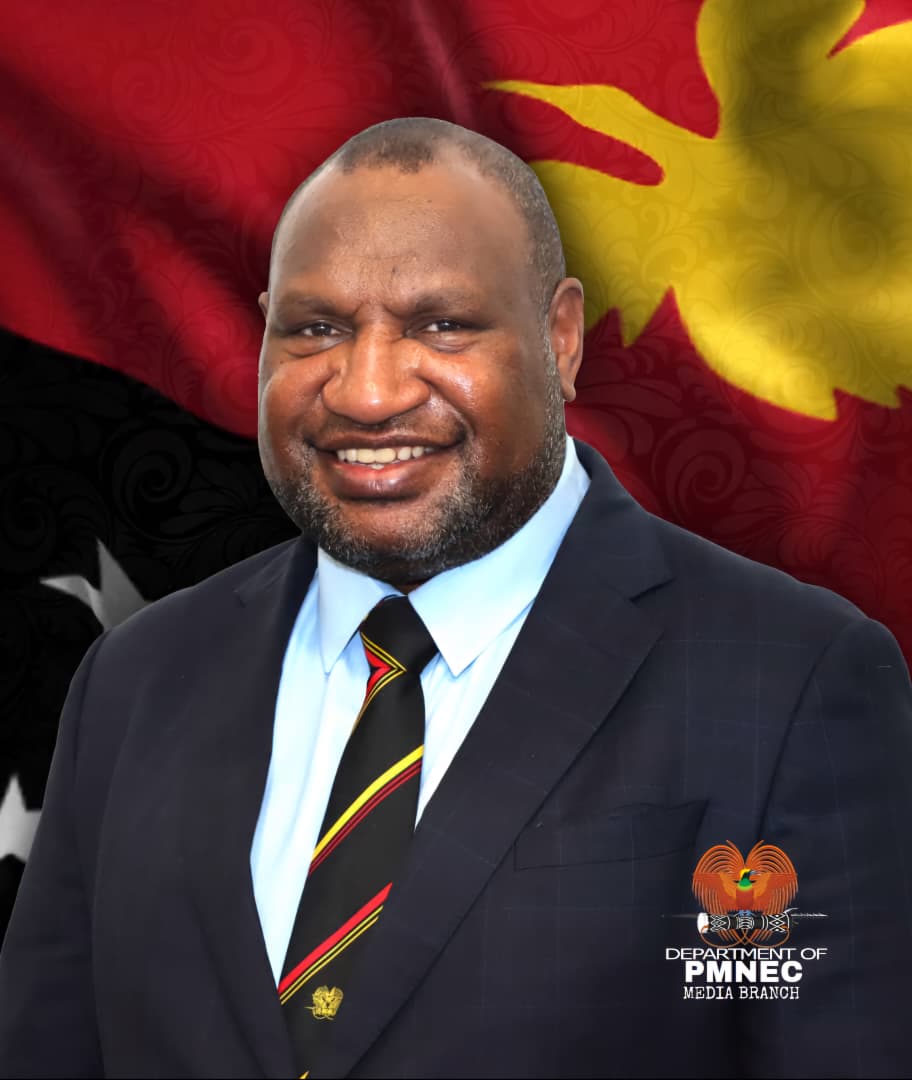

Prime Minister Hon. James Marape today officially launched Papua New Guinea’s Foreign Policy White Paper at APEC Haus, describing it as a historic and strategic blueprint that will guide the nation’s International Relations, Security, and Economic Engagement into the future.
The landmark event, hosted by Minister for Foreign Affairs Hon. Justin Tkatchenko, brought together Ambassadors, High Commissioners, International Partners, and Senior Government officials as Papua New Guinea marks its 50th year of Independence. Prime Minister Marape said the White Paper represents a defining moment in the country’s journey, aligning the nation’s proud past with a forward-looking Vision in an increasingly complex and interconnected world. “This is not coincidental—it is purposeful. As we celebrate 50 years of Independence, we must position ourselves clearly for the future, anchored in where we have come from,” Prime Minister Marape said.
Anchored in PNG’s Founding Principle
The Prime Minister reaffirmed that Papua New Guinea’s long-standing Foreign Policy doctrine of “friends to all and enemies to none” remains central to the new Framework. “There should be no Foreign Policy that is divorced from our DNA—friends to all, enemies to none. That is foundational, universal, and must guide us into the future,” he stated.
He emphasized that this principle reflects PNG’s Melanesian values of Peace, Hospitality, and Dialogue, as well as the country’s Christian heritage.
Eight Strategic Pillars for the Future
Prime Minister Marape highlighted that the White Paper is structured around eight Key Strategic Pillars, including:
– Strengthening Bilateral and Multilateral Relations
– Safeguarding National Sovereignty, Borders, and Security
– Advancing Economic and Commercial Diplomacy
– Enhancing Development Cooperation
– Promoting PNG’s Global image and National brand
– Strengthening the Department of Foreign Affairs
– Ensuring Whole-of-Government coordination
– Protecting the interests of Papua New Guineans abroad
“This Policy secures the last 50 years of our journey, but more importantly, it points us to how we must travel into the future,” the Prime Minister said.
Positioning PNG in a Changing World
Prime Minister Marape acknowledged the rapidly evolving Global environment shaped by technology, economic shifts, and geopolitical dynamics, stressing the need for Papua New Guinea to remain proactive and strategic.
“In a world moving at fast pace and shaped by many competing forces, Papua New Guinea must not be surprised by decisions—we must be prepared and positioned,” he said.
He said the White Paper provides a stable, long-term guide that transcends political cycles.
“Prime Ministers come and go, but this Policy must stand the test of time as a guide for our nation,” he added.
Expanding PNG’s Global Footprint
The Prime Minister also announced plans to expand Papua New Guinea’s Diplomatic presence globally, including:
– Establishing an Embassy in France (Paris)
– Opening a new Diplomatic Mission in the United Arab Emirates
– Strengthening existing representation in Jerusalem (Israel) and other key locations
He commended PNG’s Diplomats for their dedication and service.
“You are proud Sons and Daughters of this country, flying our Flag in challenging environments and advancing our national interests,” he said.
Gratitude to International Partners
Prime Minister Marape expressed deep appreciation to International Partners who have supported Papua New Guinea since Independence in 1975.
“Without our Friends and Partners, our Trade, Aid, and Development journey would not have been possible. We thank all Nations who have stood with us,” he said.
A Vision for the Next 50 Years
As Papua New Guinea enters its next phase of nationhood, Prime Minister Marape said the Foreign Policy White Paper will serve as a cornerstone for Economic Growth, National Security, and Global Engagement.
“We are a nation connected to the Pacific, South-East Asia, APEC Economies, the Commonwealth, and the United Nations. We take our place in the family of nations very seriously,” he said.
“Let us continue to maintain Friendship with all Nations while always protecting our National Interest.”