
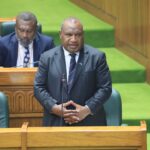

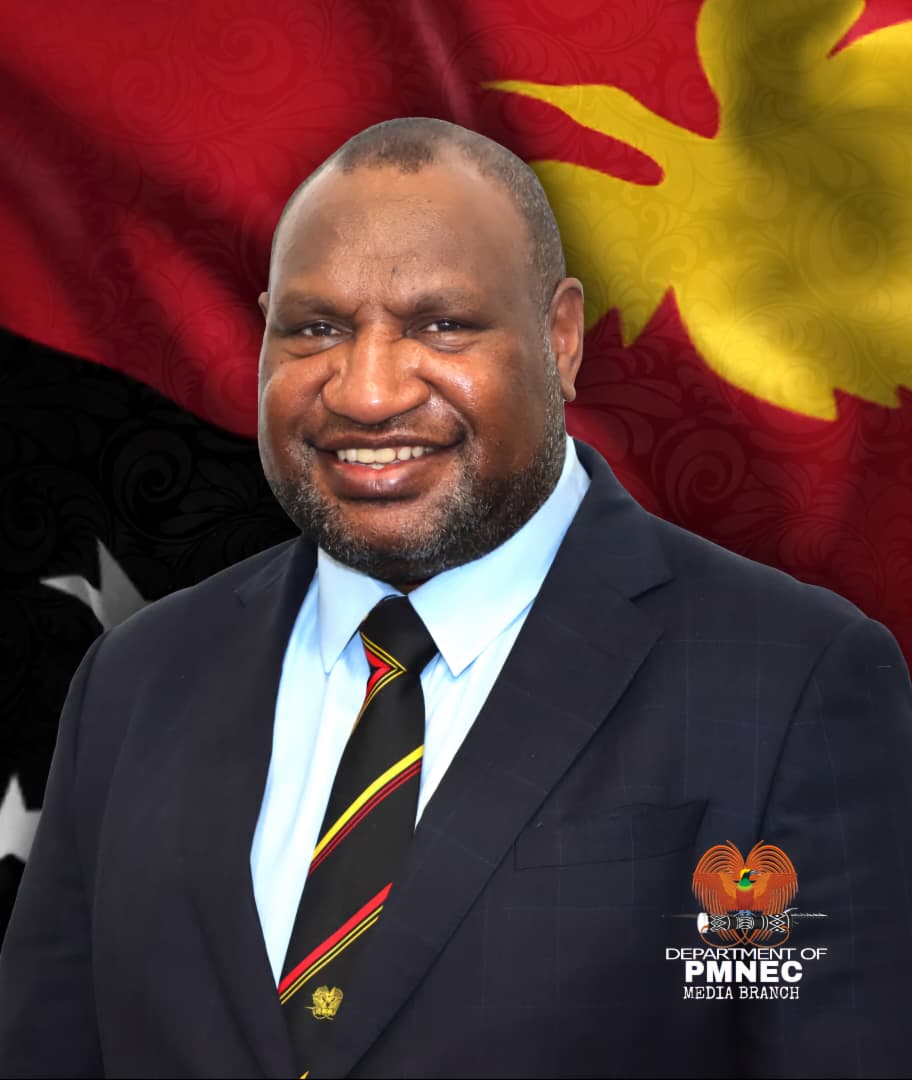

Prime Minister Hon. James Marape has commended the significant progress made in Papua New Guinea’s Immigration and Citizenship systems since 2019, following the presentation of a comprehensive Report to Parliament by Deputy Prime Minister and Minister for Immigration and Border Security, Hon. John Rosso.
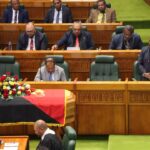
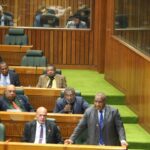
Speaking in Parliament today in support of the Report, Prime Minister Marape acknowledged the important Reforms undertaken through the PNG Immigration and Citizenship Services Authority (ICSA), describing the Report as evidence of the Government’s commitment to transparency, accountability, and improved Border governance. “I commend the Deputy Prime Minister and Minister responsible for Immigration and Border Security for presenting this Report to Parliament. It is important that Agencies entrusted with national responsibilities provide updates to the people’s House on their work and the progress they are making,” Prime Minister Marape said.
The Prime Minister highlighted that since the Marape Government took office in 2019, Immigration administration in Papua New Guinea has undergone significant improvement, particularly through modernisation of systems, strengthened border management, and stronger policies promoting employment opportunities for Papua New Guineans.
Modernisation of Visa and Immigration Systems
Prime Minister Marape said one of the most notable achievements in the Immigration sector has been the modernisation of Visa and Border Management systems through digital technology. “In recent years, the Immigration and Citizenship Services Authority has moved strongly into the digital space. Our Visa application systems are now largely online, allowing for quicker processing and improved transparency,” he said.
The Prime Minister said Papua New Guinea’s Visa processing systems have improved considerably, enabling visitors and investors to access Visa services more efficiently while maintaining strict security oversight. “Our Immigration services are now utilising modern ICT platforms to process Visa applications, making Papua New Guinea’s Visa processing among the faster systems in the Region,” he said.
He also noted that new technologies, including digital systems and emerging Artificial Intelligence tools, are assisting Immigration officers in managing Visa applications and strengthening Border control systems. “These improvements ensure that while we welcome visitors, investors, and development partners into our country, we also maintain strong safeguards to ensure that those entering our borders meet all legal and security requirements,” Prime Minister Marape said.
Localisation of Employment Opportunities
Prime Minister Marape also highlighted encouraging trends regarding the number of foreign workers in Papua New Guinea, noting that recent statistics show a decline in foreign work permits in certain sectors. According to Prime Minister Marape, this development reflects the Government’s policy that Papua New Guineans must increasingly take up employment opportunities within the country. “We are seeing a reduction in foreign workers applying for permits in some sectors. This demonstrates that the Government is serious about ensuring that Papua New Guineans take up jobs in their own country,” he said.
The Prime Minister said foreign workers will continue to be allowed in the country only in areas where specialised expertise is required. “All employers have been clearly advised that foreign workers should only be employed where the skills are not available within our local workforce. Our long-term objective is to train and empower Papua New Guineans to take up these roles,” he said. He added that the Immigration Authority continues to work closely with the Department of Labour and Employment to ensure proper enforcement of localisation policies.
Citizenship Pathway for Long-Term West Papuan Residents
Prime Minister Marape also addressed the situation of West Papuan residents who have lived in Papua New Guinea for many years, noting that the Government is working towards providing pathways for eligible individuals to obtain full PNG citizenship. “Our West Papuan brothers and sisters who have lived among us for decades are part of our community. Many came to Papua New Guinea during difficult periods in the 1960s and 1970s and have contributed positively to our society,” he said.
Prime Minister Marape said the Government intends to work with the Immigration and Citizenship Services Authority to establish clear processes that will enable eligible West Papuans living in Papua New Guinea to obtain citizenship. “We want to establish a pathway where those who have lived here for many years can obtain full citizenship in Papua New Guinea. They are our Melanesian brothers and sisters, and we recognise their long-standing presence among us,” he stated. The Prime Minister noted that this approach also reflects Papua New Guinea’s humanitarian values and its historical connections with Melanesian communities across the region. “This is both a humanitarian responsibility and a reflection of our shared Melanesian heritage,” he said.
Strengthening National Border Governance
Prime Minister Marape said immigration and border management remain critical components of national sovereignty and security. “Our immigration system sits at the gateway of our country. While we welcome genuine visitors, investors, and development partners, we must also ensure that our borders are properly managed and protected,” he said. He noted that the Marape-Rosso Government continues to strengthen border management systems to ensure Papua New Guinea maintains effective control of its borders while facilitating legitimate travel and investment.
Continuing Reforms for National Development
Prime Minister Marape said the progress made within the immigration sector forms part of the Government’s broader reform agenda aimed at improving governance and strengthening institutions across the country. “The reforms in immigration are part of wider improvements our Government is making across public administration to modernise systems, strengthen institutions, and improve service delivery to our people,” he said.
He commended Deputy Prime Minister John Rosso and the leadership of the Immigration and Citizenship Services Authority for their continued efforts in strengthening the country’s immigration and citizenship systems. “Immigration administration is a critical national responsibility, and I commend the Deputy Prime Minister and the Authority for the important work they are doing to strengthen these systems for the benefit of our country,” Prime Minister Marape said. “Our goal is to build an immigration system that is modern, efficient, secure, and aligned with Papua New Guinea’s national development aspirations.”