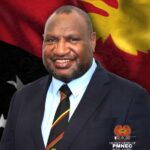

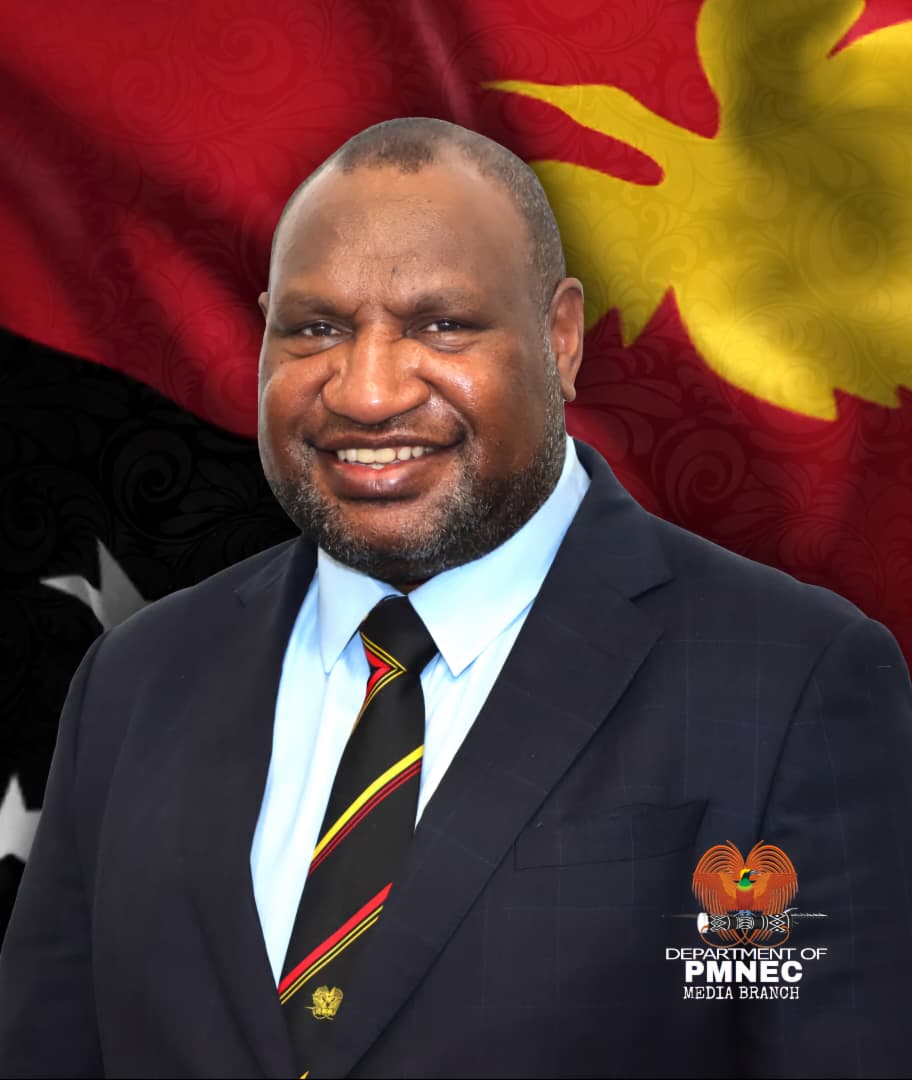

Prime Minister Hon. James Marape has announced Cabinet approval of a comprehensive national education reform programme, backed by a long-term funding structure that will transform Papua New Guinea’s education system from 2026 to 2035.
The Prime Minister said the Government has endorsed a major investment framework valued at more than K11 billion to support education infrastructure, teacher development, curriculum reform and system-wide quality improvements — aligned with the Government’s broader Connect PNG development agenda.
“This Government has approved a historic and long-term funding structure for education because investing in education is investing in the future of Papua New Guinea,” Prime Minister Marape said.
“Our reforms will run from 2026 through to 2035 — before our nation turns 60 — and are designed to restore integrity, rebuild quality, and ensure every child has access to education in safe, modern and well-resourced learning environments.”
Holistic Overhaul of the Education System
Prime Minister Marape said the reforms represent a complete and holistic overhaul of the national education system, covering:
• Early Childhood Education
• Primary education
• Secondary education
• Teacher training and welfare
• Curriculum review and delivery
• Infrastructure expansion
The Government’s vision is to ensure no child is left behind, with education pathways that allow every student to progress continuously from early childhood through to Grade 12.
“For too long our education system has created drop-out points — at Grade 6, Grade 8, Grade 10 and Grade 12,” the Prime Minister said.
“This Government wants one clear outcome: every child enters early childhood education and exits the system at Grade 12 with the right mindset, skills, discipline and character.”
Support for the 1-6-6 Education Structure
Prime Minister Marape confirmed the Government’s commitment to the 1-6-6 education policy, currently being trialed in six provinces.
Under this system:
• All students will progress from Grade 8 to Grade 9
• No child will be excluded due to space limitations
• Provinces are directed not to turn students away
“I have directed provinces not to refuse students,” he said.
“Take stock of your enrolments, especially at Grade 9 level, and the National Government will work with you to provide teachers, classrooms and curriculum support.”
The Prime Minister said national expansion of the 1-6-6 model will begin from 2027 onwards, supported by increased budget allocations through to 2035.
Massive Investment in Infrastructure and Teachers
The education reform programme includes major investments in:
• Construction of modern primary and secondary classrooms
• Teachers’ houses, particularly in rural and remote areas
• Expansion of learning spaces to meet enrolment growth
• Improved teacher remuneration and welfare
“I have said clearly — teachers must be among the highest-paid public servants in our country,” Prime Minister Marape said.
“We must look after their working conditions, provide proper training, and ensure our teachers uphold ethics, professionalism and aptitude.”
Recruitment of New Teachers and Specialists
To address teacher shortages, the Government will recruit:
• New graduates from UPNG and Unitech
• Degree holders in specialist fields including:
• Mathematics
• Science
• Chemistry
• Biology
• Geography
• History
• Engineering
• Commerce
• Agriculture
• Tourism
• Technical and Vocational Education Training (TVET)
These graduates will be engaged under newly approved Public Service Commission contract positions, enabling immediate deployment to schools where teachers are critically needed.
Provincial governments and district administrations have been urged to assist with teacher accommodation, particularly in growing and remote school communities.
Short-Term Measures: Double-Shift Schooling
As an interim solution to classroom shortages, the Prime Minister said the Education Department has been instructed to implement:
• Morning and afternoon school shifts
• Use of the same campuses across multiple sessions
• Deployment of teachers across shifts while new infrastructure is built
“This allows us to expand access immediately while permanent classrooms are being constructed,” he said.
Building the Next Generation
Prime Minister Marape emphasised that education reform is central to nation-building.
“Thirteen years of intervention — from early childhood to Grade 12 — gives us the opportunity to shape disciplined, skilled and productive citizens,” he said.
“With the right curriculum, quality teaching and proper instruction, we can produce young Papua New Guineans who can be self-employed, job-ready and equipped with the correct values and character.”
A National Priority for the Next Decade
The Prime Minister assured the nation that education will remain one of the Government’s highest priorities over the next ten years, with funding scaled up annually through successive national budgets.
“We seek to correct the low productivity results arising from the previous two education reforms,” he said.
“By 2035, we want Papua New Guinea’s education system to be significantly stepped up in quality, access and outcomes.
“Our commitment is simple and clear: no child left behind.”